
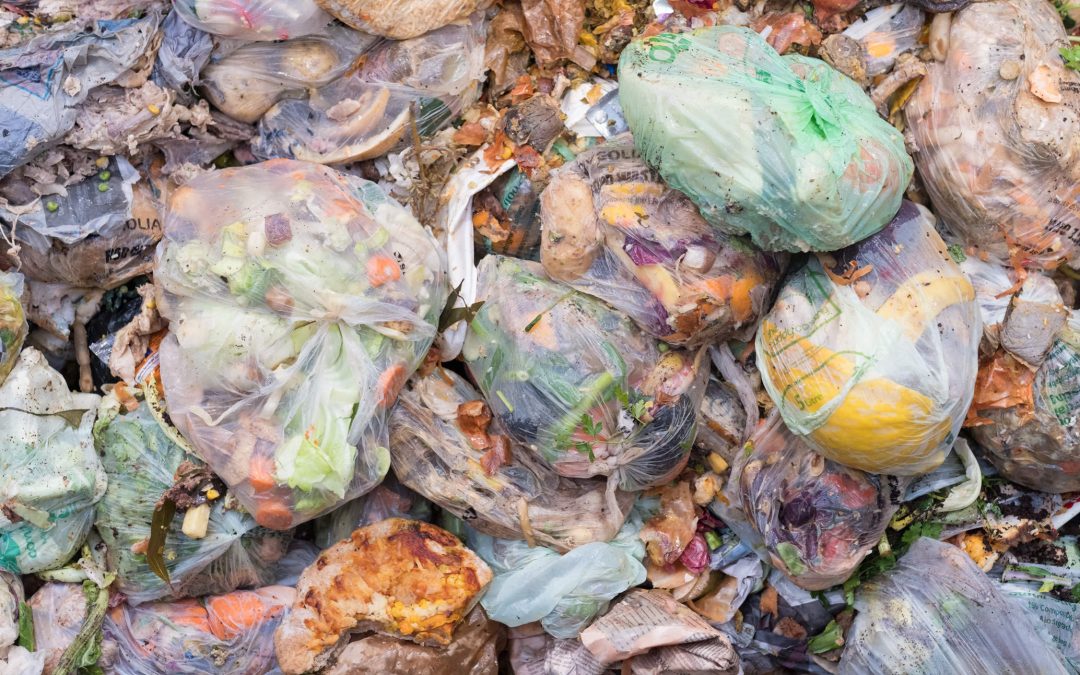
INCREASING GAS YIELDS BY REMOVING FEEDSTOCKS
This project spotlight showcases how we identified feedstocks that were inhibiting biogas production, thus achieving an uplift in yields by feeding less. Read on to find out more about how we did it.
The background
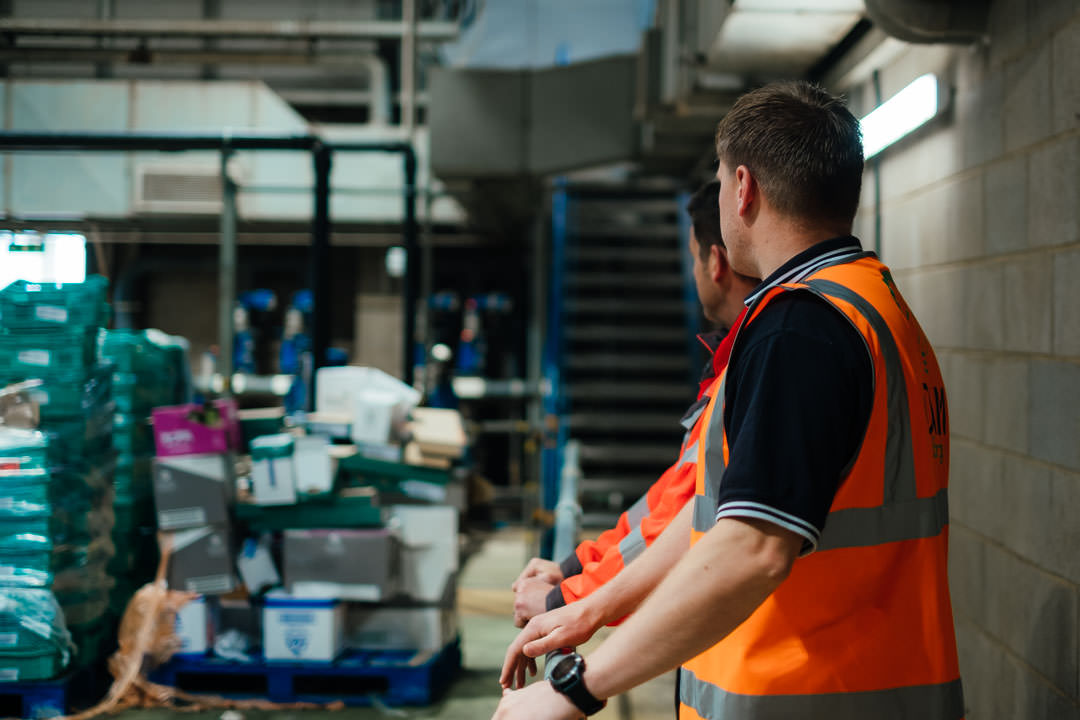
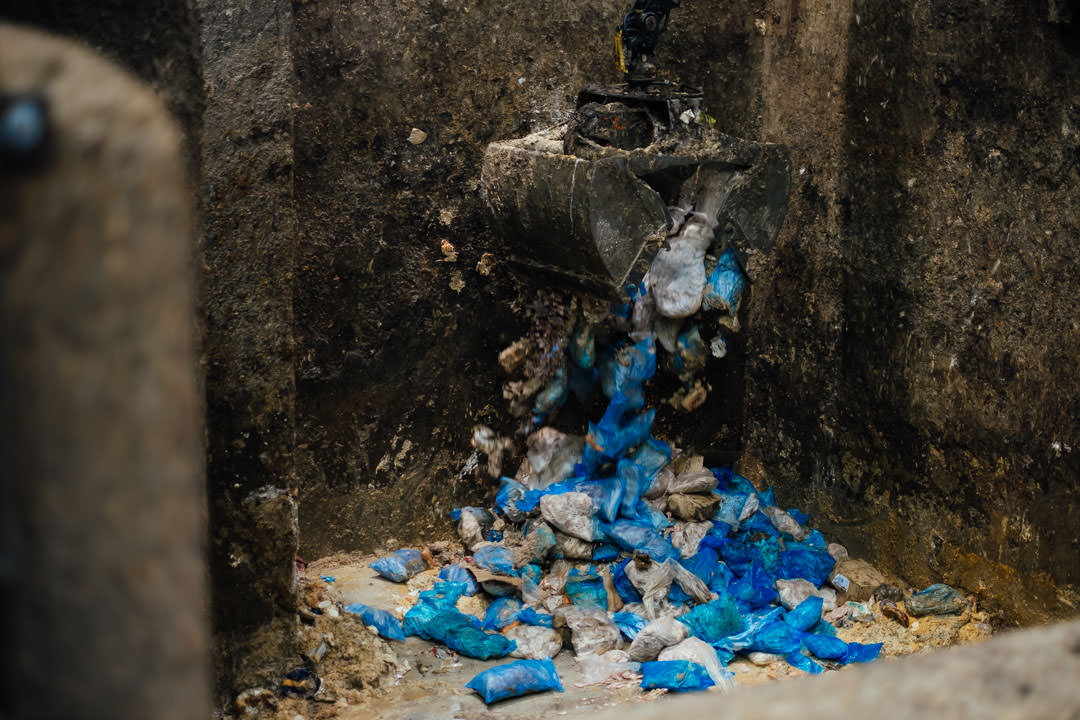
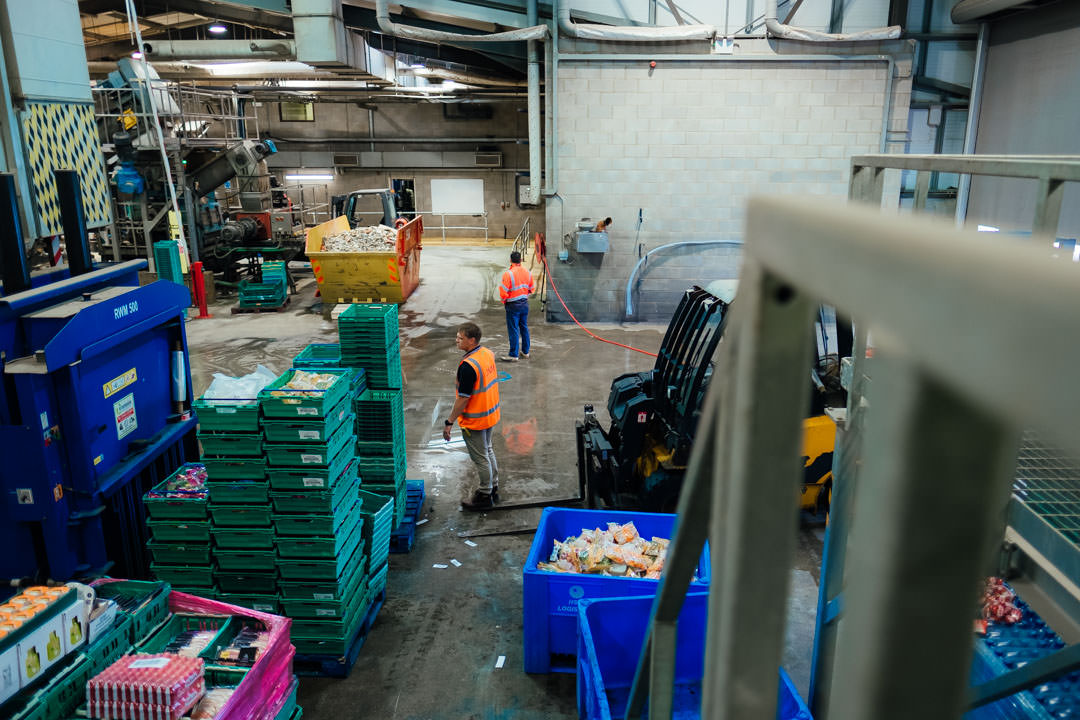
We were on site at this food waste AD facility as part of a more comprehensive performance improvement contract. As part of a broader investigation, we identified a suspicion that certain feedstocks were inhibiting biogas yields.
The investigation
Using our detailed internal database and experience in assessing feedstocks’ specific characteristics, we undertook a wholesale review of the plant diet and feeding regime.
We identified the products we suspected to be inhibiting gas production and removed them from the feeding plan. And then carefully assessed the subsequent effects on biology and yields.
The solution
Once we understood which products needed to be removed from future feeding plans, we were able to design a new feeding regime that we were confident would result in better biological stability and sustainable increased biogas yields.
We did this alongside introduced other control measures on all aspects of biological stability, including using additives to address micro nutritional deficiencies that we identified.
The result
Before undertaking this exercise, gas yields were 90-100m3 biogas to fresh matter input. After completion, the yields increased to 140-150m3 biogas to fresh matter input. A result that the client was delighted with.
Are you reading this with a project in mind?
If you’re reading this because you have an Anaerobic Digestion problem that you need hands-on practical support with, then please get in touch to chat about how we might be able to help.