What is Anaerobic Digestion? 

How does Anaerobic Digestion work?

Anaerobic digestion (AD) is a natural biological process in which organic materials are broken down by bacteria in the absence of light and oxygen; the word Anaerobic means ‘in the absence of oxygen’.

Biogas is naturally created as a bi-product of the digestion process.  It is captured in sealed tanks before being used as a fuel in a CHP (combined heat and power) engine to generate renewable electricity and heat.

What’s left from the process is known as “Digestate”;  a nutrient rich biofertiliser which is pasteurised to kill any pathogens and then stored in large tanks ready to be applied to farmland in place of fossil fuel derived fertilisers.

Every tonne of food waste recycled by anaerobic digestion, instead of being landfilled, prevents between 0.5 and 1.0 tonne of carbon emissions; one of the many benefits of anaerobic digestion. 

The limiting factor on most AD plants, is the biology.

Each digester will have a known working volume, this will determine the organic loading rate/ Hydraulic retention time.

The digesters health is paramount – the  parameters need to be understood and monitored to achieve health biology and prevent the loss of revenue.

Toxic levels / inhibitor levels should be understood. Regimented analysis is key to biological optimization.

Nurturing the biology

Ensuring the biology within a digester is healthy and happy is the key to the success of a high performing AD facility.  Healthy and stable biology will lead to optimum gas production and thus ensuring consistent power generation and thus best revenue. 

Conversely, we have found biological stability to be one of the main limiting factors for most poor performing AD plants in the UK.

We understand that a digester’s health is paramount and that focusing on the parameters specific to a plant, and carefully tweaking/monitoring them will achieve the best biology health and prevent the loss of revenue.

Why are you here?
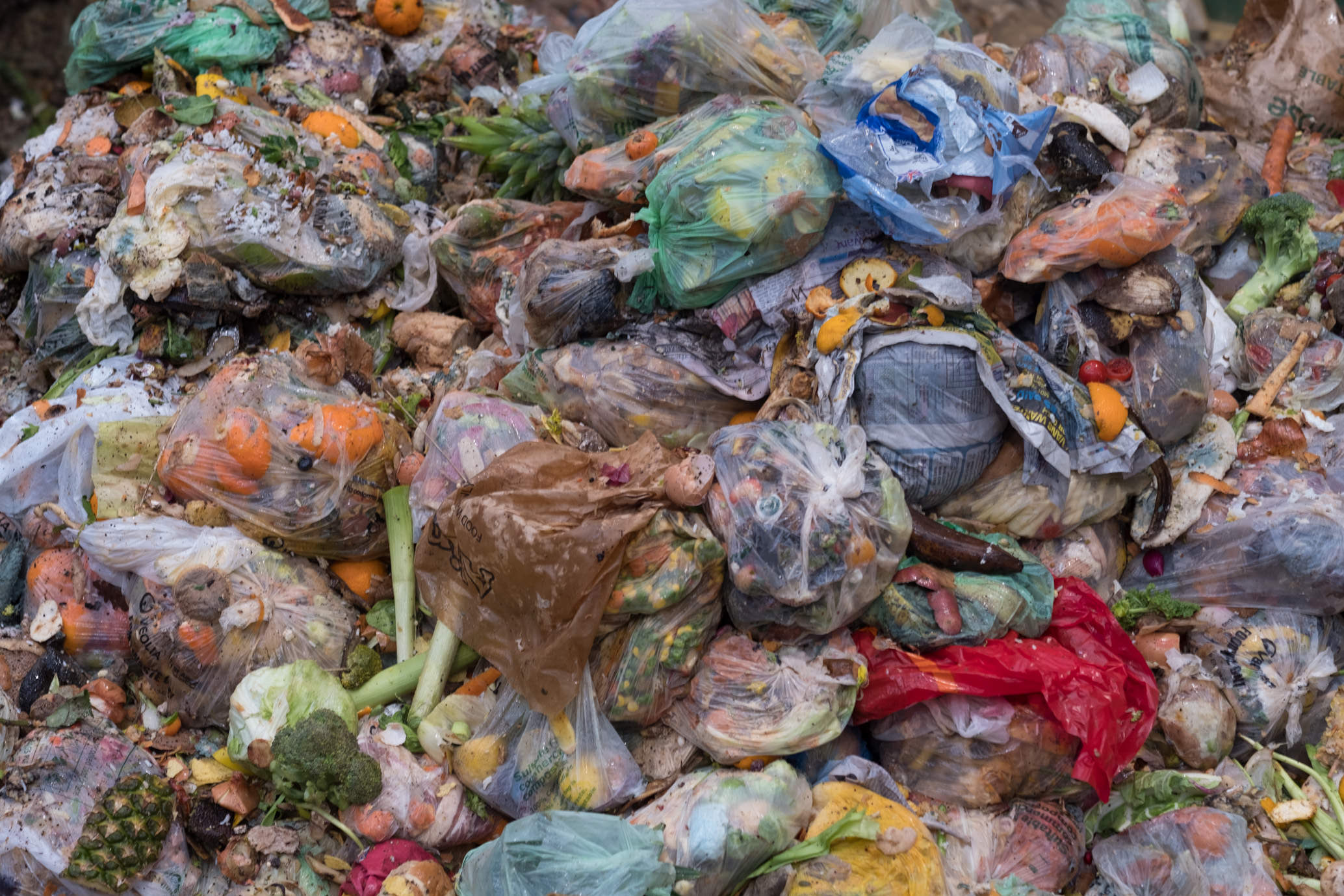
You want to recycle food waste

We don’t offer this service directly ourselves, but we can recommend trusted businesses that do.  You can find their website links here.
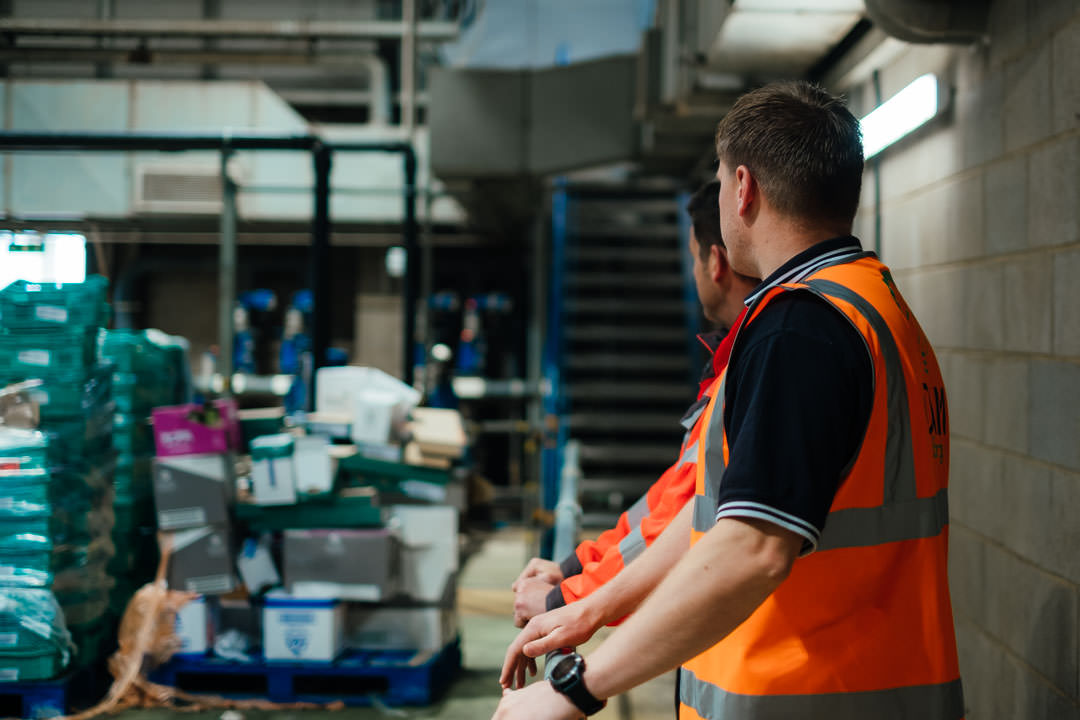
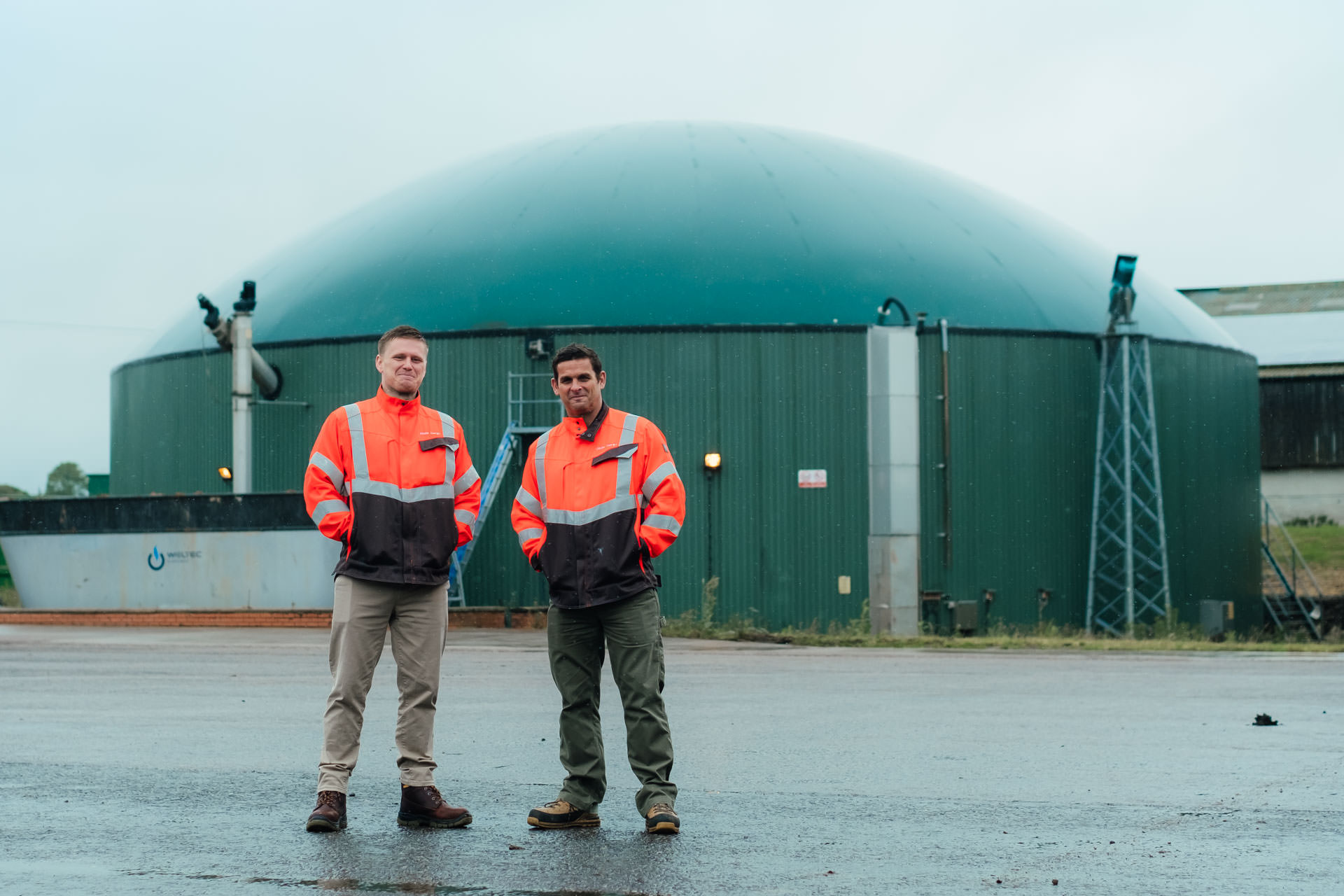
Ricky & Kyrone from ONM energy stand in orange high vis vests overlooking a waste reception area of an AD plant

You own a plant that's not performing

Check out the services we offer to AD plant owners and operators here. 
ONM-energy-services-for-investors-1

You're interested in investing in or developing an Anaerobic Digestion plant
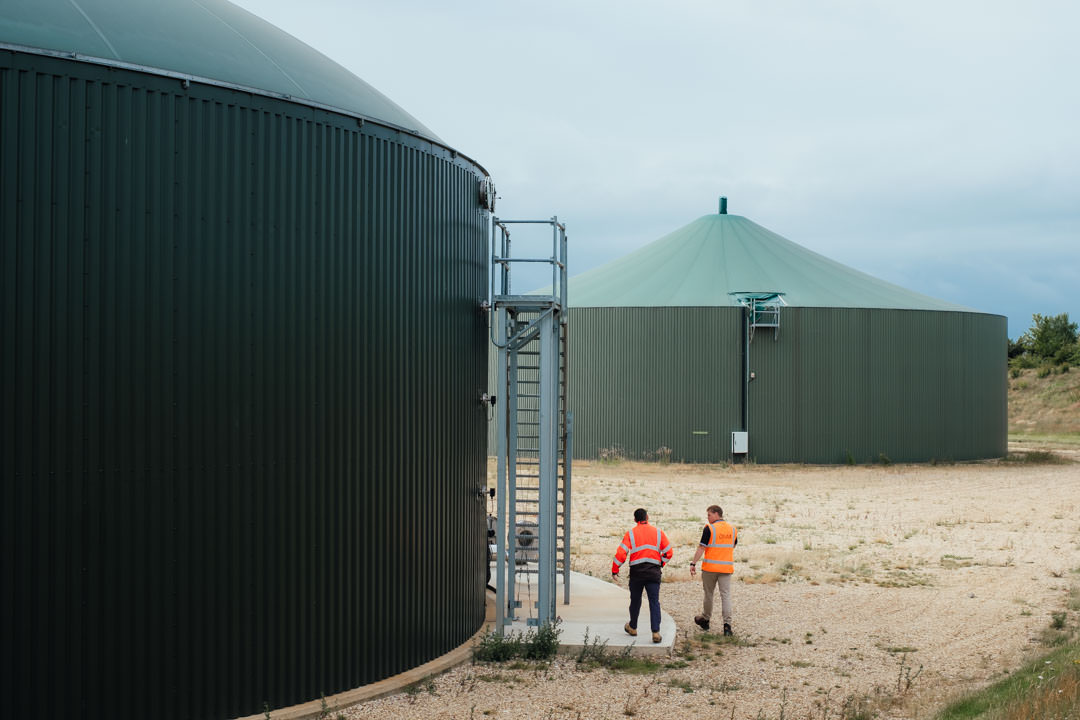
Check out the services we offer to AD facility investors and developers here. 


You'd like to learn about how you can improve your digester health

Learn more about this here.

ONM-energy-anaerobic digestion consultants Ricky Malin and Kyrone Dodd stand in front of digestion tank

You'd like to meet the team behind ONM

You can meet us here. 

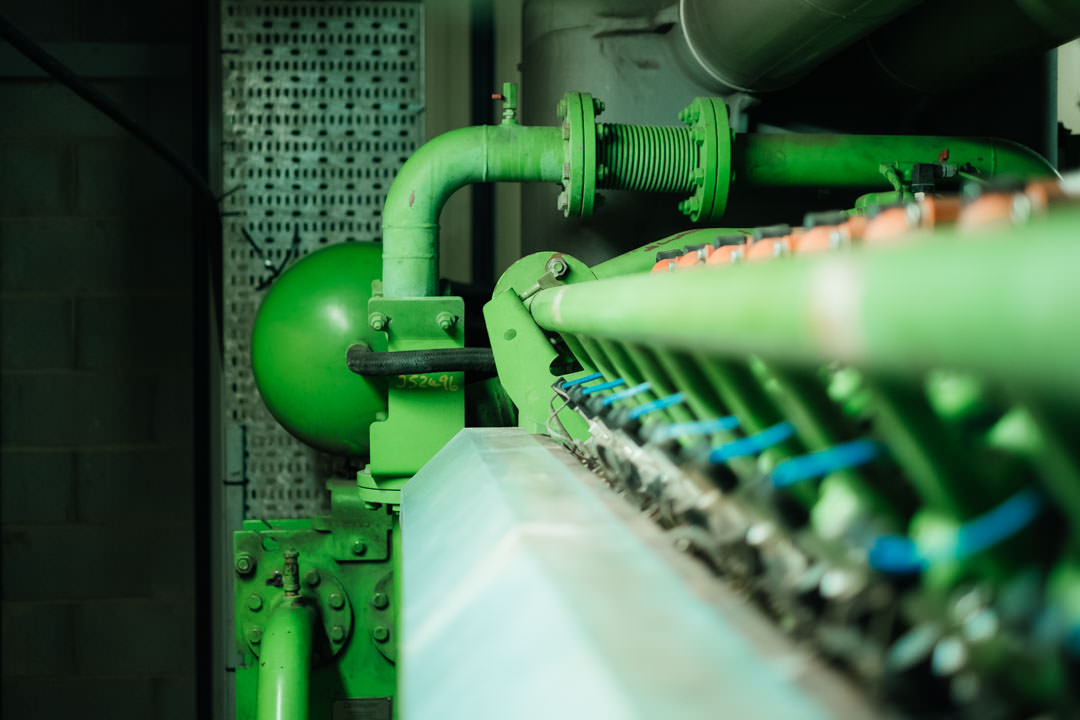
green gas engine from an ADp

You'd like to learn about ONM Energy

Learn about ONM’s story here.

Our core services

Support and services for AD Plant owners

Practical support for UK Anaerobic Digestion plants suffering technical difficulties, or struggling to achieve the yields and profit they need.

Support for AD developers and investors

Knowledgable technical support for investors and developers seeking to enter the AD market or improve yields from their existing portfolios.

Improving biological stability

Support, advice, and products proven to make a tangible difference to the performance and stability of Anaerobic Digestion plants.

ONM Energy to speak at online event “Linking fermentation efficiency and operational efficiencies in anaerobic digestion”

Could you produce more gas, consistently and efficiently? We have been invited by Alltech — a leading enzyme expert — to speak at their special live event.  We will be discussing the latest valuable insights into how biogas operators can drive plant efficiency by...

ONM expands into the Australian Biogas sector

ONM’s Director Kyrone Dodd has moved back to his homeland Australia. And with this, ONM Energy is expanding to create a second branch and team of Anaerobic Digestion Consultants in Australia. Anaerobic Digestion is swiftly becoming an area of interest for Australian investors in Green Energy markets. ONM will be involved in shaping the concepts and ideas that will develop the Australian Biogas sector, and look forward to performing in-depth project viability analysis, design, and eventually commissioning/operating new facilities.

Case study – Pipers Farm

Pipers Farm operates a 10,000 tonne input, 500 kWe output agricultural AD plant in Kent.  They suffered an urgent compliance issue that stopped them operating. Read on for a detailed case study about how we helped them overcome the issue and get back to a stronger power production than ever.  

Project managing the change of a digester mixing system

This project spotlight showcases how we managed the change of a digester mixing system in a crop fed digester. Read on to find out more about the project and how we did it.

Increasing gas yields by removing feedstocks

This project spotlight showcases how we identified feedstocks that were inhibiting gas production, thus achieving an uplift in yields by feeding less.  Read on to find out more about how we did it.

Case Study – Fernbrook Bio

Fernbrook Bio is a 1.5 MWe output food waste AD facility in Northamptonshire.  They were in need of process and performance optimisation, having suffered legacy issues for some time.  Read on for a detailed case study about how we helped them overcome these issues to achieve more stability and the yields they had been striving for.

Installing a gas engine cooling system

This project spotlight is showcasing how we identified excess heat as an issue that was prohibiting engine performance. Read on to hear how installing a temporary cooler achieved a 30% uplift in power production performance.

Case study – Willen Biogas

Willen Biogas is a 1.5 MWe output food waste AD facility in North London.  They were baffled by their lack of yields.  Read on for a detailed case study about how we helped them achieve the yields and profitability they had budgeted for.